A következő címkéjű bejegyzések mutatása: film. Összes bejegyzés megjelenítése

2010. május 15., szombat

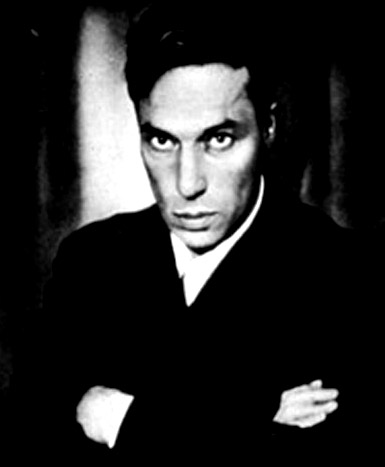
Boris Pasternak

Boris Leonidovich Pasternak (10 February 1890 – 30 May 1960) was a Nobel Prize-winning Russian and Soviet poet, novelist and translator of Goethe and Shakespeare. In Russia, Pasternak is most celebrated as a poet. My Sister Life, written in 1917, is arguably the most influential collection of poetry published in the Russian language in the 20th century. In the West he is best known for his epic novel Doctor Zhivago, a tragedy whose events span the last period of the Russian Empire and the early days of the Soviet Union. It was first translated and published in Italy in 1957. He helped give birth to the dissident movement with the publication of Doctor Zhivago.
Pasternak was born in Moscow on 10 February, into a wealthy Russian-Jewish family. His father was the famous artist, Leonid Pasternak, professor at the Moscow School of Painting, Sculpture, and Architecture, and his mother was Rosa (Raitza) Kaufman, a concert pianist. Pasternak was brought up in a highly cosmopolitan and intellectual atmosphere: family friends and regular visitors to his childhood home included pianist and composer Sergei Rachmaninoff, composer and mystic Alexander Scriabin, existentialist Lev Shestov, poet Rainer Maria Rilke, and writer Leo Tolstoy. Pasternak aspired first to be a composer, turned next to philosophy and then eventually to writing as his vocation.

Inspired by his neighbour Alexander Scriabin, Pasternak resolved to become a composer and entered the Moscow Conservatory. In 1910 he abruptly left the conservatory for the University of Marburg, where he studied under Neo-Kantian philosophers Hermann Cohen and Nicolai Hartmann. Although invited to become a scholar, he decided against making philosophy a profession and returned to Moscow in 1914. His first poetry collection, influenced by Alexander Blok and the Russian Futurists, was published later the same year.

Pasternak's early verse cleverly dissimulates his preoccupation with Kant's ideas. Its fabric includes striking alliterations, wild rhythmic combinations, day-to-day vocabulary, and hidden allusions to his favourite poets like Rilke, Lermontov and German Romantic poets.

Pasternak spent the summer of 1917 living in the steppe country near Saratov, where he fell in love. This passion resulted in the collection My Sister Life, which he wrote over a period of three months, but was too embarrassed to publish for four years because of its novel style. When it finally was published in 1921, the book revolutionised Russian poetry. It made Pasternak the model for younger poets, and decisively changed the poetry of Osip Mandelshtam, Marina Tsvetayeva and others.

During the great purges of the later 1930s, Pasternak became progressively disillusioned with Communist ideals. Reluctant to publish his own poetry, he turned to translating Shakespeare (Hamlet, Macbeth, King Lear), Goethe (Faust), Rilke (Requiem für eine Freundin), Paul Verlaine, and Georgian poets. Pasternak's translations of Shakespeare have proved popular with the Russian public because of their colloquial, modernised dialogues, but critics accused him of "pasternakizing" the English playwright.

Although Pasternak was widely panned for excessive subjectivism, Stalin is said to have crossed Pasternak's name off an arrest list during the purges, saying "Don't touch this cloud dweller." According to Simon Sebag Montefiore, "He recognized that Mandelstam, Pasternak, and Bulgakov were geniuses, but their work was suppressed. Yet he could tolerate whimsical maestros: Bulgakov and Pasternak were never arrested. But woe betide anyone, genius or hack, who insulted the person or policy of Stalin -- for the two were synonymous."

As the book was frowned upon by the Soviet authorities, Doctor Zhivago was smuggled abroad by his friend Isaiah Berlin and published in an Italian translation by the Italian publishing house Feltrinelli in 1957. The novel became an instant sensation, and was subsequently translated and published in many non-Communist bloc countries. In 1958 and 1959, the American edition spent 26 weeks at the top of The New York Times' bestseller list.
Pasternak's post-Zhivago poetry probes the universal questions of love, immortality, and reconciliation with God. Pasternak died of lung cancer on 30 May 1960. Despite only a small notice appearing in the Literary Gazette, thousands of people traveled from Moscow to his funeral in Peredelkino.

Borisz Leonyidovics Paszternak (Moszkva, 1890. február 10.Peregyelkino, 1960. május 30.) Nobel-díjas orosz költő, esszéíró, műfordító, író.

Jómódú zsidó családban született, a nagyrabecsült művészettörténet és szépművészet professzor Leonid Pasternak és a híres koncertzongorista művésznő, Rosa (Raitza) Kaufman fia. Zeneszerzőnek készül, de történelmet és filozófiát hallgat a moszkvai egyetemen. 1912-ben a németországi Marburgba utazik. Első verseskötetén már látszik páratlan természetleíró képessége, úgy festi a kertet, a szelet, az esőt, a tavaszt, hogy azok róla, a természetben élő, ám a természetet kultúrává nemesítő emberi lényről valljanak. Munkatársa lesz Majakovszkij avantgardista folyóiratának, a Lefnek. Az októberi forradalmat helyesnek tartja, tisztítótűznek nevezi.

Az 1948 és 1955 között megalkotott nagyregényében, a Zsivago doktorban (ismert filmváltozata a Doktor Zsivágó) az 1903 és 1929 közé eső korszak, továbbá a háborús évek orosz történelmének átfogó képét kívánta megrajzolni. 1957-ben kijuttatta regényét az országból, ami meg is jelent Olaszországban és több más nyugati országban is, hatalmas világsiker lett, 26 héten át vezette a The New York Times besztszeller listáját. Amikor neki ítélték a Nobel-díjat, negatív lejáratókampány indult ellene. Művét szemétnek, őt magát árulónak titulálták. Belső emigránsnak nevezték, hozzáfűzve, hogy jobb lenne, ha valódi emigráns lenne belőle. Válaszút elé állították Paszternakot: vagy lemond a díjról, vagy száműzik hazájából. Az előbbit választotta.

Paszternak 1960. május 30-án peregyelkinói otthonában húnyt el.

2009. október 4., vasárnap

Ephraim Kishon

Ephraim Kishon (Hebrew: אפרים קישון‎, August 23, 1924January 29, 2005) was an Israeli writer, satirist, dramatist, screenwriter, and film director.

Born into a middle-class Jewish family in Budapest, Hungary, as Ferenc Hoffmann (Hungarian Hoffmann Ferenc), Kishon studied sculpture and painting, and then began publishing humorous essays and writing for the stage.

During World War II the Nazis imprisoned him in several concentration camps. At one camp his chess talent helped him survive as the camp commandant was looking for an opponent. In another camp the Germans lined up the inmates shooting every tenth person, passing him by. He later wrote in his book The Scapegoat, "They made a mistake—they left one satirist alive." He managed to escape while being transported to the Sobibor death camp in Poland, and hid the remainder of the war disguised as "Stanko Andras", a Slovakian laborer.

After 1945 he changed his surname from Hoffmann to Kishont to disguise his Jewish heritage and returned to Hungary to study art and publish humorous plays. He immigrated to Israel in 1949 to escape the Communist regime, and an immigration officer gave him the name Ephraim Kishon.

His first marriage, in 1946 to Eva (Chawa) Klamer, ended in divorce. In 1959, he married his second wife Sara (née Lipovitz), who died in 2002. In 2003, he married the Austrian writer Lisa Witasek. He had three children: Raphael (b. 1957), Amir (b. 1963), and Renana (b. 1968).

Acquiring a mastery of Hebrew with remarkable speed, Kishon started a regular satirical column in the easy-Hebrew daily, Omer, after two years in the country. From 1952, he wrote the column "Had Gadya" in the daily Ma'ariv. Devoted largely to political and social satire but including essays of pure humour, it became one of the most popular columns in the country. His extraordinary inventiveness, both in the use of language and the creation of character, was applied also to the writing of innumerable sketches for theatrical revues.

Collections of his humorous writings have appeared in Hebrew and in translation. Among the English translations are Look Back Mrs. Lot (1960), Noah's Ark, Tourist Class (1962), The Seasick Whale (1965), and two books on the Six-Day War and its aftermath, So Sorry We Won (1967), and Woe to the Victors (1969). Two collections of his plays have also appeared in Hebrew: Shemo Holekh Lefanav (1953) and Ma´arkhonim (1959).

His works have been translated into 37 languages, the majority of which were sold in Germany. Kishon rejected the idea of universal guilt for the Holocaust and had many friends in Germany. Kishon said “It gives me great satisfaction to see the grandchildren of my executioners queuing up to buy my books.” Friedrich Torberg was his congenial translator to German, until he died in 1979; thereafter Kishon himself wrote in German. Ultimately, he wrote over 50 books.

Kishon was a life-long chess enthusiast, and took an early interest in chess-playing computers. In 1990, German chess computer manufacturer Hegener & Glaser together with Fidelity produced the Kishon Chesster, a chess computer distinguished by the spoken comments it would make during a game. Kishon wrote the comments to be humorous, but were also carefully chosen to be relevant to chess and the position in the game.

In 1981, Kishon established a second home in the rural Swiss canton of Appenzell. He had come to feel somewhat estranged and unappreciated in Israel, believing that some native-born Israelis were against him because he was a Hungarian immigrant and that the literary establishment looked down on his best-selling "middle-brow" works. Kishon became increasingly conservative and continued to strongly support Zionism.

Kishon died in Switzerland at age 80, apparently of a heart attack. His body was returned to Israel and buried in the artists' cemetery in Tel Aviv.

Rosszkor és rossz helyen, az 1920-as években Magyarországon született Hoffmann (később Kishont) Ferenc. Zsidó bankár gyermekeként nem mehetett egyetemre. A zsidótörvények árnyékában ötvösnek tanult, majd Budapest erődítésein dolgozott, ahogyan nyilas őrei mondták: "a bolsevik pestis megfékezésén". Amikor a front elérte a város határát, megszökött, majd két hetet töltött a magyar–német és az orosz frontvonalak között egy pincében, paradicsomlén élve. Ekkor írta Hajvédők című regényét, amelyért díjat is kapott.

A felszabadulást követően a Ludas Matyi munkatársa lett, majd búcsút mondott a lapnak és hazájának is. Bécsből küldte el a szerkesztőségnek a következő üzenetet: "Üdvözlet a szabad Magyarországnak, a szabad Kishonttól!"
Izraelbe emigrált, ahol rövid időn belül ráébredt, hogy a kibuc közösségi életét nem neki találták ki. Ez a ráébredés kölcsönös volt, ahonnan a héber nyelvet már egészen jól beszélő Efraim Kishon (már t nélkül) Tel-Avivba ment. Újságírással foglalkozott, maró és éles stílusú írásaiban görbe tükröt tartott az éppen formálódó izraeli társadalom elé. Az 1967-es, hatnapos háborút követően megjelent kötete, amely a "Bocsánat, hogy győztünk!" címet viselte, s a külvilág reakcióit parodizálta.
Tíz éven keresztül Hollywoodban lakott, ahol forgatókönyveket írt és rendezett. Tel-Avivban saját kabaréja is volt. Hosszabb időn keresztül élt Svájcban élt, a halál is itt érte utol.
Házasságlevél című darabját néhány évvel ezelőtt a budapesti József Attila Színház mutatta be. Szatíráiból és humoreszkjeiből több válogatáskötet jelent meg Magyarországon.
Nyolc évtizedet élt, gyermekei és unokái mellett a humort kedvelő rajongók tömegei is érezni fogják hiányát. Hogy mennyire képtelennek érezték halálhírét, arra gyermekének, Rafinak szavai voltak a legtalálóbbak: "Amikor megérkezett a holttestét szállító gép Svájcból, arra gondoltam, hogy amint kinyílik az ajtaja, ott fog állni apa, mosolyog és annyit mond: »Csak kíváncsi voltam, mennyire szerettek!«"

2009. szeptember 27., vasárnap

Billy Wilder

Billy Wilder (22 June 1906 – 27 March 2002) was an Austrian-American journalist, filmmaker, screenwriter and producer, whose career spanned more than 50 years and 60 films. He is regarded as one of the most brilliant and versatile filmmakers of Hollywood's golden age.
Born Samuel Wilder in Sucha Beskidzka, Austria-Hungary (now Poland) to Max Wilder and Eugenia Dittler, Wilder was nicknamed Billie by his mother, because she was fascinated with Billy the Kid when she had visited the United States in her younger days (he changed that to "Billy" after arriving in America). His parents had a successful and well-known cake shop in Sucha Beskidzka's train station and unsuccessfully tried to convince their son to inherit the business. Soon the family moved to Vienna, where Wilder attended school. After dropping out of the University of Vienna, Wilder became a journalist. To advance his career Wilder decided to move to Berlin, Germany.
While in Berlin, before achieving success as a writer, Wilder allegedly worked as a taxi dancer. After writing crime and sports stories as a stringer for local newspapers, he was eventually offered a regular job at a Berlin tabloid. Developing an interest in film, he began working as a screenwriter. He collaborated with several other tyros (with Fred Zinnemann and Robert Siodmak, on the 1929 feature, People on Sunday). After the rise of Adolf Hitler, Wilder, who was Jewish, left for Paris and then the United States. His mother, grandmother and stepfather were murdered at the Auschwitz concentration camp.

After arriving in Hollywood in 1933, Wilder continued his career as a screenwriter. He became a naturalized citizen of the United States in 1934. Wilder's first significant success was Ninotchka1939, in a collaboration with fellow German immigrant Ernst Lubitsch. This screwball comedy starred Greta Garbo (generally known as a tragic heroine in film melodramas), and was popularly and critically acclaimed. With the byline, "Garbo Laughs!", it also took Garbo's career in a new direction (although he and Brackett had already wrote Bluebeard's Eighth Wife and Midnight to great aclaim). The film also marked Wilder's first Academy Award nomination, which he shared with co-writer Charles Brackett. For twelve years Wilder co-wrote many of his films with Brackett, from 1938 through 1950. He followed Ninotchka with a series of box office hits in 1942, including his Hold Back the Dawn and Ball of Fire, as well as his directorial feature debut, The Major and the Minor.

Wilder established his directorial reputation after helming Double Indemnity (1944), a film noir he co-wrote with mystery novelist Raymond Chandler, with whom he did not get along. Double Indemnity not only set conventions for the noir genre (such as "venetian blind" lighting and voice-over narration), but was also a landmark in the battle against Hollywood censorship. The original James M. Cain novel Double Indemnity featured two love triangles and a murder plotted for insurance money. The book was highly popular with the reading public, but had been considered unfilmable under the Hays Code, because adultery was central to its plot. Double Indemnity is credited by some as the first true film noir, combining the stylistic elements of Citizen Kane with the narrative elements of The Maltese Falcon.

Two years later, Wilder earned the Best Director and Best Screenplay Academy Awards for the adaptation of a Charles R. Jackson story The Lost Weekend, the first major American film to make a serious examination of alcoholism, another difficult theme under the Production Code. In 1950, Wilder co-wrote and directed the dark and cynical and critically acclaimed Sunset Boulevard, which paired rising star William Holden with Gloria Swanson. Swanson played Norma Desmond, a reclusive silent film star who dreams of a comeback; Holden is an aspiring screenwriter who becomes a kept man.

In 1951, Wilder followed Sunset Boulevard with Ace in the Hole (a/k/a The Big Carnival), a tale of media exploitation of a caving accident. It was a critical and commercial failure at the time, but its reputation has grown over the years. In the fifties, Wilder also directed two vibrant adaptations of Broadway plays, the POW drama Stalag 17 (1953), which resulted in a Best Actor Oscar for William Holden, and the Agatha Christie mystery Witness for the Prosecution (1957).

From the mid-1950s on, Wilder made mostly comedies.[4] Among the classics Wilder created in this period are the farces The Seven Year Itch (1955) and Some Like It Hot (1959), satires such as The Apartment (1960), and the romantic comedy Sabrina (1954). Wilder's humor is sometimes sardonic. In Love in the Afternoon (1957), a young and innocent Audrey Hepburn who doesn't want to be young or innocent wins playboy Gary Cooper by pretending to be a married woman in search of extramarital amusement.

In 1959 Wilder introduced crossdressing to American film audiences with Some Like It Hot. In this comedy Jack Lemmon and Tony Curtis play musicians on the run from a Chicago gang, who disguise themselves as women and become romantically involved with Marilyn Monroe and Joe E. Brown.

In 1959, Wilder began to collaborate with writer-producer I.A.L. Diamond, an association that continued until the end of both men's careers. After winning three Academy Awards for 1960's The Apartment (for Best Picture, Director, and Screenplay), Wilder's career slowed. His Cold War farce One, Two, Three (1961) featured a rousing comic performance by James Cagney, but was followed by the lesser films Irma la Douce and Kiss Me, Stupid. Wilder garnered his last Oscar nomination for his screenplay The Fortune Cookie in 1966. His 1970 film The Private Life of Sherlock Holmes was intended as a major roadshow release, but was heavily cut by the studio and has never been fully restored. Later films such as Fedora and Buddy Buddy failed to impress critics or the public.

After that Wilder never ceased to complain that Hollywood was making a big mistake by not giving him any films to direct. He did so at film festivals, in interviews, on television, and whenever else he had the chance. He often hinted that he was being discriminated against, due to his age. His complaining didn't help: for whatever reason, Hollywood simply wouldn't hire him, and his directorial career ended.

One "consolation" which Wilder had in his later years, besides his art collection was the Andrew Lloyd Webber musical stage version of "Sunset Boulevard." The musical itself had an uneven success and is generally considered to be one of the least of Webber's musicals. However, the huge amount of money and energy thrown into the musical was definitely a tribute to Wilder's work.

Wilder's directorial choices reflected his belief in the primacy of writing. He avoided the exuberant cinematography of Alfred Hitchcock and Orson Welles because, in Wilder's opinion, shots that called attention to themselves would distract the audience from the story. Wilder's pictures have tight plotting and memorable dialogue. Despite his conservative directorial style, his subject matter often pushed the boundaries of mainstream entertainment.

Wilder was skilled at working with actors, coaxing silent era legends Gloria Swanson and Erich von Stroheim out of retirement for roles in Sunset Boulevard. For Stalag 17, Wilder squeezed an Oscar-winning performance out of a reluctant William Holden (Holden wanted to make his character more likeable; Wilder refused). Wilder sometimes cast against type for major parts such as Fred MacMurray in Double Indemnity and The Apartment. Many today know MacMurray as a wholesome family man from the television series My Three Sons, but he played a womanizing schemer in Wilder's films. Humphrey Bogart shed his tough guy image to give one of his warmest performances in Sabrina. James Cagney, not usually known for comedy, was memorable in a high-octane comic role for Wilder's One, Two, Three. Wilder coaxed a very effective, and in some ways memorable performance out of Marilyn Monroe in Some Like It Hot.

In total, he directed fourteen different actors in Oscar-nominated performances: Barbara Stanwyck, Ray Milland, William Holden, Gloria Swanson, Erich von Stroheim, Nancy Olson, Robert Strauss, Audrey Hepburn, Charles Laughton, Elsa Lanchester, Jack Lemmon, Jack Kruschen, Shirley MacLaine and Walter Matthau. Milland, Holden and Matthau won Oscars for their performances in Wilder films.

Wilder mentored Jack Lemmon and was the first director to pair him with Walter Matthau, in The Fortune Cookie (1966). Wilder had great respect for Lemmon, calling him the hardest working actor he had ever met. Lemmon starred in seven of Wilder's films.

Billy Wilder was recognized with the AFI LIfe Achievement Award in 1986.

In 1988, Wilder was awarded the Irving G. Thalberg Memorial Award. He has a star on the Hollywood Walk of Fame.

Wilder died in 2002 of pneumonia at the age of 95 after battling health problems, including cancer, in Los Angeles, California and was interred in the Westwood Village Memorial Park Cemetery in Westwood, Los Angeles, California next to Jack Lemmon. Marilyn Monroe's crypt is located nearby.

Wilder died the same day as two other comedy legends: Milton Berle and Dudley Moore. The next day, French top-ranking newspaper Le Monde titled its first-page obituary, "Billy Wilder is dead. Nobody is perfect." This was a reference to the famous closing line of his film Some Like it Hot spoken by Joe E. Brown after Jack Lemmon reveals he is not female.

Wilder holds a significant place in the history of Hollywood censorship for expanding the range of acceptable subject matter. He is responsible for two of the film noir era's most definitive films in Double Indemnity and Sunset Boulevard. Along with Woody Allen, he leads the list of films on the American Film Institute's list of 100 funniest American films with 5 films written and holds the honor of holding the top spot with Some Like it Hot. Also on the list are The Apartment and The Seven Year Itch which he directed, and Ball of Fire and Ninotchka which he co-wrote. The AFI has ranked four of Wilder's films among their top 100 American films of the 20th century: Sunset Boulevard (no. 12), Some Like It Hot (no. 14), Double Indemnity (no. 38) and The Apartment (no. 93).

Billy Wilder a hollywoodi aranykor vígjátékainak egyik kiemelkedő megteremtője, sajátos világot alkotott íróként és rendezőként. Érző szív és cinikus elme jellemezte. Világképét Matthau így foglalta össze: "A helyzet teljesen reménytelen, de nem súlyos". Mindig szimpátiát tudott kelteni alakjai iránt, lehettek azok alkoholisták, bűnözők, egykori sztárok vagy egyszerűen csak szerencsétlen kisemberek. A legtöbbet hozta ki sodró lendületű, pattanásig feszült jeleneteiből. Jelszava volt: sohasem untatni! És a legtöbbet hozta ki színészeiből. Sokakat ő juttatott a sztárság csillogó rivaldafényébe. Lubitsch volt a példaképe. Összeköti őket: a sztori kifogástalan felépítése, a remek időzítések és poénok, az emberszeretet és egy nagy adag szarkasztikus humor. Mindketten szívesen dolgoztak egyszerre több forgatókönyvíróval, sokra becsülték a dramaturgiához illeszkedő díszleteket, de mindenek felett a színészi egyéniségeket, akiknek karizmáját a celluloidszalag és a filmvászon csak még titokzatosabbá tette. Sok műfajú rendező volt. Akaratán kívül a film noir egyik megteremtője (Gyilkos vagyok, 1944). Legnagyobb vígjátéki és drámai sikereit az ötvenes-hatvanas években aratta: Alkony sugárút, Délutáni szerelem, A vád tanúja, Van, aki forrón szereti, A legénylakás. A hetvenes években népszerűsége visszaesett, "kiment a divatból". (1981-től már nem forgatott többet.) Végig megmaradt jelentős rendezőnek, aki akarva-akaratlan saját korát tükrözte. Így vallott önmagáról: "Szeretem a változatosságot. Amikor szomorú vagyok, vígjátékot csinálok, s amikor jó a kedvem, akkor súlyos drámát. Más is van az életemben, mint a film. És ha van valami, amit jobban utálok annál, hogy nem vesznek komolyan, akkor az az, ha túl komolyan vesznek." 96 évesen halt meg.

2009. augusztus 16., vasárnap

Adam Brody

Adam Jared Brody (born December 15, 1979) is an American film and television actor and part time musician. He began his career in 1995, appearing on the Gilmore Girls and other series and subsequently came to fame for his role as Seth Cohen on The O.C., establishing his defining screen persona. Joel Stein of Time magazine has described Brody as creating an "Adam Brody type", a screen persona of a "nerdy, sarcastic, obscure-reference-laced Jew".[1] Brody has also appeared in several film roles, including Mr. & Mrs. Smith, Thank You for Smoking, and In the Land of Women.
Brody was born in Carlsbad, San Diego County, California, the oldest son of Jewish parents Valerie (née Siefman), a graphic artist, and Mark Brody, a lawyer.[2][3] He has younger twin brothers, Sean and Matt. Brody attended Wangenheim Middle School and Scripps Ranch High School, receiving "poor grades",[4] and grew up in suburban San Diego, spending time surfing.[5] He has said that while he was not a "Casanova", he had "cute girlfriends" and "pretty much lived at the beach".[4] Brody attended community college for one year and dropped out at the age of nineteen, moving to Hollywood in order to become an actor.[1] He subsequently hired an acting coach and signed with a manager.

After a year of training and auditioning, Brody landed the role of Barry Williams in the 2000 TV movie Growing Up Brady. He was cast in recurring roles on Gilmore Girls as Dave Rygalski, Lane's bandmate and love interest, and the Canadian comedy television series The Sausage Factory. In 2001, he played a small role in American Pie 2, named as "high school guy". He was one of two high school guys who get chased away from Steve Stifler's party. In 2003, he wrote "Home Security" (a short film),[5] appeared in the feature film Grind, and began playing his most famous role to date, Seth Cohen, a slightly awkward teenager, on the television show The O.C. The role turned Brody into a teen idol, with the character having been described by the Los Angeles Times as "TV's sexiest geek"[5] and by Time as having "redefined" the screen persona of "unapologetic" nerdiness;[1] his character (defined by director Jon Kasdan as the "new kind of nerdy Jewish guy: both self-deprecating and self-obsessed")[1] has since inspired scripts to describe particular characters as "Adam Brody types".[1] The role also developed Brody a female fan following and as a result, Brody was ranked No. 17 in Independent Online's "100 Sexiest Men Alive", was twice placed on Teen People's annual list of "25 Sexiest Stars under 25", and was the first male on the cover of Elle Girl.[1][6][6] Brody improvised some of the character's comic dialogue.[5]

During the show's run, Brody appeared alongside Angelina Jolie and Brad Pitt in 2005's film Mr. & Mrs. Smith and played a Hollywood studio assistant in the 2006 film adaptation of Thank You for Smoking. Brody was signed to a seven-year contract for The O.C., playing the role of Seth Cohen, where he acted much like himself. The show was eventually canceled in 2007 and ended its run in February of that year; Brody has said that he is "not unhappy" with the show's cancellation[6] and that although he was "fortunate" to be on a successful series, he was also glad to "not be on it for 10 years".[1] After the end of The O.C.'s run, Brody turned to a full-time film career.[5] His next role was the film In the Land of Women, a romantic comedy co-starring Meg Ryan and Kristen Stewart and released on April 20, 2007. In the film, Brody plays the lead role, a writer who returns to his mother's Michigan hometown in order to take care of his sick grandmother. Brody did not have to audition for the part, but was almost unable to appear in the film because of scheduling conflicts with the second season of The O.C.; the film's director pushed filming back eight months because he wanted Brody to star.[5][6] The same year, Brody also appeared in supporting roles in the lower budget films Smiley Face, playing a pot dealer, and The Ten, as a skydiver.[5] He also guest appeared in the Smallville episode "Crush".

Brody, along with actor Zac Efron, was in consideration for the lead part in the film Speed Racer, a role which was eventually given to Emile Hirsch.[1] Brody was also set to produce a remake of Revenge of the Nerds, which was canceled early during filming.[7]

Brody was also in the music video of a song called "Too Bad About Your Girl" by The Donnas. He and Josh Lucas have signed onto the Boaz Yakin directed drama, Death in Love. As of March 2008, he is also in Academy Award winner Diablo Cody's new horror flick Jennifer's Body, co-starring Megan Fox.

Brody lives in Los Angeles. He dated The O.C. co-star Rachel Bilson, a three-year[5] relationship that ended in December 2006. Their relationship was both on screen and off screen.

Brody plays drums for the band Big Japan[5] with actor Bret Harrison. He writes screenplays and songs during his spare time[1] and has co-written, along with Danny Bilson (father of ex-girlfriend Rachel Bilson) and Paul DiMeo, a comic book miniseries for Wildstorm Comics called Red Menace. Brody has also volunteered as an actor with the Young Storytellers Program, which is dedicated to developing literacy, self-expression and self-esteem in elementary school children.

Brody has described himself as a "fake intellectual" and his sense of humor as sarcastic.[1] He is a secular Jew[8] and has stated that he "couldn't be less religious".[2] Brody has said that when he moved to Hollywood he became "more nerdy" and embraced his "neurotic side".

Adam Brody a kaliforniai San Diegóban született zsidó szülők legidősebb fiaként. Anyja Valerie grafikus művész,apja Mark Brody ügyvéd. Van két fiatalabb ikertestvére Sean és Matt. Adam a családjával San Diego elővárosában lakott,ahol a Scripps Ranch középiskolába járt és szörfözéssel töltötte a szabadidejét. A középiskola után egy évig főiskolára járt,majd 19 évesen Hollywoodba költözött,ahol lakókocsit bérelt és szerződött egy menedzserrel.
Kisebb szerepeket kapott a például a "Growing Up Brady"-ben,"Gilmore Girls"-ben vagy a "The Sausage Factory”-ban.
2003-ban megírta a Home Security rövidfilmet, játszott a Grindben majd megkapta Seth Cohen szerepét a Narancsvidékben.
Az Independent Online megválasztott a 100 legszexisebb férfiét, ahol Adam a 17.helyen végzett.
2005-ben egy kisebb szerepet kapott Angelina Jolie és Brad Pitt oldalán a Mr. & Mrs. Smith-ben.
2007-ben felbontották a hétéves narancsvidére szóló szerződését. Ezt követően az In the Land of Women romantikus vígjátékban játszott Meg Ryan és Kristen Stewart oldalán.
Ugyanabban az évben Adam több alacsonyabb költségvetésű filmben, mint a Smiley Face, vagy a The Tenben kapott szerepet, de feltűnt a Smallville "Crush" epizódjában is.
Adam 2006 decemberéig egy párt alkotott a narancsvidékbeli partnerével Rachel Bilsonal. Jelenlegi barátnője Hanna Elfner,aki egy skandináv modell. A Big Japan zenekarban dobol.

2009. július 21., kedd

Peter Falk

Peter Falk (born September 16, 1927) is an American actor, best known for his role as Lieutenant Columbo in thetelevision series Columbo. He appeared in numerous films and television guest roles, and has been nominated for anAcademy Award twice, and won the Emmy Award on five occasions and the Golden Globe award once.

Born Peter Michael Falk inNew York City, Falk was theson of Michael Peter Falk, owner of a clothing and dry goods store, and his wife, Madeline, an accountant andbuyer.[1] His mother was Russian and his father was Polish, and of Hungarian and Czech descent. [2] He is thegrandson of Mike Falk, chief editor of the Budapestnewspaper Pester Lloyd.Falk's parents were of Jewishdescent but were not religious.

His right eye was surgically removed at the age of three because of a malignant tumor; he has worn a glass eye for most of his life.[3] Despite the handicap, Falk participated in team sports, mainly baseball and basketball, as a boy. In a 1997 interview in Cigar Aficionado magazine withArthur Marx, Falk said, "I remember once in high school the umpire called me out at third base when I was sure I was safe. I got so mad I took out my glass eye, handed it to him and said, 'Try this.' I got such a laugh you wouldn't believe." [2]

At the age of 12 Falk's first stage appearance was in The Pirates of Penzance at Camp High Point[4] in upstate New York. Falk attended OssiningHigh School in Westchester County, New York, where he was a star athlete and president of his senior class. After graduating from high school in 1945, Falk briefly attendedHamilton College in Clinton, New York, and then tried to join the armed services as World War II was drawing to a close. Rejected because of his glass eye, he joined the United States Merchant Marine, and served as a cook and mess boy. "There they don't care if you're blind or not," Falk said in 1997. "The only one on a ship who has to see is the captain. And in the case of the Titanic, he couldn't see very well, either." [2]

After a year and a half in the Merchant Marine, Falk returned to Hamilton College and also attended the University of Wisconsin. He transferred to the New School for Social Research in New York City, which awarded him a bachelor's degree in literature and political science in 1951. He then traveled in Europe and worked on a railroad in Yugoslavia for six months.[5] He returned to New York, enrolling at Syracuse University [2], but he recalled in his 2006 memoir Just One More Thing that he was unsure what he wanted to do with his life for years after leaving high school.[6]

Falk obtained a Masters degreein public administration at Syracuse University in 1953. It was a new program designed to train future workers in the federal bureaucracy, a career that Falk said in his memoir that he had "no interest in and no aptitude for.".[7]He applied for a job with the CIA, but was rejected because of his membership in the Marine Cooks and Stewards Unionwhile serving in the Merchant Marine, even though he was required to join and was not active in the union.[8] He then became a management analyst with the Connecticut State Budget Bureau, in Hartford.[9]Falk described his Hartford job as "efficiency expert. "I was such an efficiency expert that the first morning on the job, I couldn't find the building where I was to report for work," he said in 1997. "Naturally, I was late, which I always was in those days, but ironically it was my tendency never to be on time that got me started as a professional actor." [2]

While working in Hartford, Falkjoined a community theater group called the Mark Twain Masquers, where he performed in plays that included The Caine Mutiny Court-Martial, The Crucible and The Country Girl. Falk also studied with Eva Le Gallienne, who was giving an acting class at the White Barn Theatre in Westport, Connecticut. Falk later recalled that he had "lied his way" into the class, which was for professional actors. He drove down to Westport from Hartford every Wednesday, when the classes were held, and was usually late.

Falk stayed with the La Gallienne group for a few months more, and obtained a letter of recommendation from La Galliene to an agent at theWilliam Morris Agency in New York. [2] In 1956, he left his job with the Budget Bureau and moved to Greenwich Village to pursue an acting career.

His first New York stage role was in a flop—an off-Broadwayproduction of Molière's Don Juan at the Fourth Street Theatre that closed after its only performance on January 3, 1956. Falk played the second lead, Sganarelle.[10] His next theater role proved far better for his career. In May he appeared at Circle in the Square in a revival of The Iceman Comethwith Jason Robards, playing the bartender.[9][11]

Falk made his Broadway debut also in 1956, appearing in Diary of a Scoundrel. As the year came to an end, he appeared again on Broadway as an English soldier in Shaw's Saint Joan, with Siobhán McKenna.

Despite his stage success, a theatrical agent advised Falk not to expect much film work because of his glass eye.[9] He failed a screen test at Columbia Pictures, and was told by studio boss Harry Cohn that "for the same price I can get an actor with two eyes." He also failed to get a role in the film adapation of Marjorie Morningstar despite a promising interview for the second lead.[13] His first film performances were in small roles in Wind Across the Everglades (1958), The Bloody Brood (1959) and Pretty Boy Floyd (1960).[14]

Falk's performance in Murder, Inc. (1960) was a turning point in his career. He was cast in the supporting role of killer Abe Reles, in a film based on the real-life murder gang of that name, which terrorized New York in the 1930s. New York Times film critic Bosley Crowther, while dismissing the movie as "an average gangster film," singled out Falk's "amusingly vicious performance." [15]

Crowther wrote:[15]

Mr. Falk, moving as if weary, looking at people out of the corners of his eyes and talking as if he had borrowed Marlon Brando's chewing gum, seems a travesty of a killer, until the water suddenly freezes in his eyes and he whips an icepick from his pocket and starts punching holes in someone's ribs. Then viciousness pours out of him and you get a sense of a felon who is hopelessly cracked and corrupt.

The film turned out to be Falk's breakout role. In his 2006 autobiography, Just One More Thing, Falk said that his selection for the film from thousands of other off-Broadway actors was a "miracle" that "made my career," and that without it he would not have gotten the other significant movie roles that he later played.[16]

Falk, who played Reles again in a 1960 TV series The Witness,[14] was nominated for a Best Supporting ActorAcademy Award for his performance in the film. He was nominated in the same Academy Award category the following year for his performance in the 1961 Frank Capra comedy Pocketful of Miracles. In both roles he played gangsters, though inPocketful of Miracles he portrayed a more lightheartedDamon Runyoncharacter.

The remainder of the 1960s saw Falk playing mainly small movie roles and in TV guest starring appearances. He played a cab driver in the all-star comedy film It's a Mad, Mad, Mad, Mad World. He played mainly comical crooks, as in 1964's Rat Pack crime spoof Robin and the 7 Hoodsand the 1965 farce The Great Race, with Jack Lemmon andTony Curtis.

Falk first appeared on television in 1957, in the dramatic anthology programs that later became known as the "Golden Age of Television." He appeared in one episode ofRobert Montgomery Presents in 1957, and also appeared inStudio One, Kraft Television Theater, New York Confidentialand Decoy.[14]

In 1961, Falk was nominated for an Emmy Award for his performance in the episode "Cold Turkey" of James Whitmore's short-lived seriesThe Law and Mr. Jones onABC. On September 29, 1961,Falk and Walter Matthauguest-starred in the premiere episode, "The Million Dollar Dump," of ABC's crime dramaTarget: The Corruptors!, withStephen McNally. He won an Emmy for The Price of Tomatoes, a Dick Powell TV drama in 1962.[14]

Falk's first television series was in the title role of the drama The Trials of O'Brien, in which he played a lawyer. The show ran in 1965 and 1966 and was cancelled after 22 episodes. [14]

Falk appeared in numerous other television roles in the 1960s and 1970s, but he is probably best known for the title role of the shabby and ostensibly absent-minded police detective lieutenant inthe long-running TV seriesColumbo. The character was originally played in a 1960 episode of the NBC anthology series The Chevy Mystery Show, where the detective was played by Bert Freed, and in a subsequent Broadway play byThomas Mitchell. Falk first appeared as Columbo inPrescription: Murder , a 1968 TV movie, but the character was not the subject of a show of its own until 1971. Columboaired regularly from 1971 to 1978 on NBC, and then more infrequently on ABC as TV movies beginning in 1989. The most recent episode was broadcast in 2003.[14]

Despite his frazzled exterior, Columbo possesses a keen mind and invariably solves his cases by paying close attention to tiny inconsistencies in suspects' stories, hounding them until they confess; he merely puts on a good show of being dimwitted so that the criminals will be more at ease around him. Columbo's signature technique is to exit the scene of an interview, only to stop in the doorway to ask a suspect "just one more thing," which often brings to light the key inconsistency. The role won Falk four Emmy Awards and aGolden Globe. Four of Columbo's cases gave Falk the chance to work with his longtime friend Patrick McGoohan, the latter playing the episodes' villain roles.

Falk was a close friend of independent film director John Cassavetes and appeared in Cassavetes' films Husbands, A Woman Under the Influence, and, in a cameo, at the end ofOpening Night. Cassavetes, in turn, guest-starred in theColumbo episode "Étude in Black" in 1972.

Falk continued to work in films, including his performance as a possible ex-CIA agent of dubious sanity in the Arthur Hiller comedy The In-Laws. He also appeared in The Princess Bride, and (cast as himself) inWim Wenders' Wings of Desire. In 1998, Falk returned to the New York stage to star in an off-Broadway production ofArthur Miller's Mr. Peters' Connections. His previous stage work included shady real estate salesman Shelley "the Machine" Levene in a Los Angeles production of David Mamet's prizewinningGlengarry Glen Ross.

Falk also starred in such holiday television movies asFinding John Christmas (2003) and When Angels Come to Town (2004). In 2007, Falk appeared with Nicolas Cage in the thriller Next.

Falk married Alyce Mayo, whom he met when they were both students at Syracuse University,[17] on April 17, 1960. They adopted two daughters, Catherine (who is a private investigator) and Jackie. They divorced in 1976. On December 3, 1977, Falk married actress Shera Danese[18], who guest-starred on the Columbo series on numerous occasions.
Peter Michael Falk (New York City, New York, 1927.szeptember 16.) magyar származású amerikai színész és filmproducer. A Pester Lloyd nevű szabadelvű újság néhai főszerkesztőjének, Falk Miksánaka dédunokája. Az1950-es évek végén kezdett filmezni. Gyakran dolgozott a televízió számára. Leghíresebb alakítása is egy éveken át sikerrel sugárzott szériához kapcsolódik: a Columbo című sorozatban ő játszotta a rosszul öltözött, látszólag lassú észjárású címszereplő nyomozót, aki az apró ellentmondásokból kiindulva végül mindig megoldotta a legreménytelenebbnek látszó bűnügyeket is. Columbo megformálásáért ötször elnyerte az Emmy-díjat, illetve egyszer a Golden Globe-díjat.Két korai mozifilmjéért az 1960-as évek elején kétszer Oscar-díjra jelölték. Az új évezredben, túl a 80. életévén egészségi állapota megromlott, Alzheimer-kórral küzd.

Peter Falk édesapja, a magyar származású Michael Falk egyruhakereskedés és vegyesbolt tulajdonosa volt. Édesanyja, az orosz származású Madeleine könyvelőként és beszerzési menedzserként dolgozott. Peter hároméves volt, amikor egyrosszindulatú daganat miatt eltávolították a jobb szemét. Kivehető üvegszemet kapott, mellyel időnként tréfákat is megengedett magának. Kamaszként egy baseball-mérkőzésen kiállította a játékvezető, mire Falk kivette az üvegszemét, hogy átnyújtsa neki ezzel a megjegyzéssel: „Neked nagyobb szükséged van rá, mint nekem.”[1] Művészi pályája során olykor diszkriminációk érték a hiányzó szeme miatt. A Columbia Pictures igazgatója állítólag ezzel a felkiáltással utasította el: „Ennyi pénzért kétszemű színészt is kaphatok!” Rajongói viszont szexisnek találták különös tekintetét.

A fiatalember az ossiningifőiskolára járt, ahol osztályelnök volt. Diplomája megszerzését követően szakács lett az Egyesült Államok kereskedelmi flottájánál. Később a New School for Social Research intézményében politológiáttanult, 1951-ben végzett. A következő 3 évben a Hamilton College hallgatója lettClintonban. 1953-ban a Syracuse Universityn mester fokozatú diplomát szerzett közigazgatásból. Megpályázott egy állást a CIA-nál, de nem vették fel, ezért a hartfordiConnecticut State Budget Bureau-nál helyezkedett el mint management analyst.

A munka mellett Falk awestporti White Barn Theatre-nél színészi tanulmányokat folytatott, mert felkeltette érdeklődését ez a pálya, és elhatározta, hogy színész lesz.1956-ban otthagyta az állását, és Greenwich Village-be ment. Az off-Broadway-n debütált 1956. január 3-án Molière Don Juan című darabjában, melyet a Fourth Street Theatre tűzött műsorára. Még ugyanebben az évben a Broadway-n is színpadra lépett George Bernard Shaw Szent Johannacímű darabjában egy angol katona szerepében, Siobhán McKenna partnereként. Az 1960-as évek elején mind a filmvásznon, mind a tévéképernyőn felhívta magára a figyelmet. Kétszer jelölték a tévés produkciók számára létrehozott Emmy-díjra, melyet második alkalommal meg is kapott, illetve kétszer jelölték a legjobb férfi mellékszereplőnek járó Oscar-díjra. Egy taxisofőr szerepét játszotta Stanley Kramer Bolond, bolond világ(1963) című alkotásában, melyben Spencer Tracy volt a főszereplő. A könnyed szórakozást képviselte a Robin és a 7 gengszter (1964) című zenés komédia is, melyben olyan világsztárok játszották a főszerepeket, mint Frank Sinatra, Bing Crosby, Sammy Davis Jr. és Dean Martin. Mint a címből is sejthető, a film Robin Hood történetének modernizált változata. Blake EdwardsVerseny a javából (1965) című vígjátékában Peter Falk Tony Curtis, Jack Lemmon és Natalie Wood oldalán játszott. Az 1966-ban indult The Trials of O'Brienvolt az első sorozatszerepe – egy ügyvédet alakított –, ám a széria csupán egy évadot ért meg. Annál sikeresebb lett viszont egy másik tévésorozat, a Columbo, amely meghozta számára a világhírnevet.

A Columbo 1968-ban kezdődöttA recept: gyilkosság című epizóddal. A folytatás csak 3 év múlva következett, mivel a színész habozott, hogy elvállalja-e a sorozatot. Az1971-ben sugárzott második részt – Váltságdíj egy halottért– a magyar közönség moziban láthatta először. Ezzel az epizóddal valóban elindult a Columbo-sorozat, amely nemcsak az Egyesült Államokban, hanem az egész világon rendkívül népszerű lett. Columbo megformálásáért Peter Falkot tízszer jelölték Emmy-díjra (ötször nyert), és kilencszer Golden Globe-ra (egyszer nyert). Columbo rosszul öltözött, látszólag lassú észjárású nyomozó, aki azonban mindig mindegyik ügyét sikeresen megoldja. Módszere, hogy különösen odafigyel az apró, egymásnak ellentmondó részletekre, és azokból kiindulva leplezi le a tettest. A gyanúsítottak gyakorlatilag mindig elkövetik azt a súlyos hibát, hogy nem veszik elég komolyan Columbót, aki olykor felidegesíti őket azzal, hogy a távozás pillanatában az ajtóból fordul vissza, hogy még valamit kérdezzen, és feltárjon egy kulcsfontosságú ellentmondást. A sorozat harmadik részét(Ahogy a könyvben meg van írva) a pályakezdő Steven Spielberg rendezte, egy 1978-as epizódot (Az ínyenc gyilkos)pedig Jonathan Demme. A széria népszerűségét jelzi, hogy az évek folyamán nagy sztárok is szívesen vállaltak benne szerepet, voltak, akik többször is: Patrick McGoohan(Falk jó barátja) négyszer,Robert Culp és Jack Cassidyháromszor, George Hamiltonkétszer. A rekorder Falk felesége, Shera Danese, aki hat epizódban játszott. Alkalmi vendégsztár volt – a teljesség igénye nélkül – Leonard Nimoy,William Shatner, Robert Vaughn, Laurence Harvey,Nicol Williamson, Ruth Gordon,Julie Newmar, Janet Leigh, Ray Milland, Johnny Cash, Martin Landau, Donald Pleasence,Louis Jourdan, Vera Miles,Roddy McDowall, Faye Dunaway, Dick Van Dyke és egy másik barát, John Cassavetes.

A televíziós sikerekkel párhuzamosan Falk mozifilmekben is szerepelt, nem is sikertelenül. Ez nagy szó az Egyesült Államokban, ahol ritkaság, hogy valaki e szakma mindkét területén egyformán népszerű legyen. A színész mozifilmjei közül kiemelkednek a John Cassavetes rendezésében készült drámák, a Férjek (1970) és az Egy hatás alatt álló nő(1974). Előbbiben Ben Gazzara, Jenny Runacre és maga a rendező voltak a partnerei, utóbbiban Cassavetes felesége, a drámai szerepeiről ismert Gena Rowlands. Valaha a magyar mozik is nagy sikerrel vetítették a Neil Simondarabjából készültMeghívás egy gyilkos vacsorára (1976) című szellemes filmparódiát, melyben olyan sztárok szerepeltek, mintDavid Niven, Maggie Smith,Peter Sellers, Alec Guinness ésElsa Lanchaster, valamint az extravagáns író, Truman Capote. A főbb szereplők tulajdonképpen egy-egy híres detektívet parodizáltak. A magyar nézők közül sokan tévesen azt hitték, hogy Falk híres szerepét, Columbót parodizálja, holott a figurát valójában A máltai sólyom(1941) nyomozója, Sam Spade ihlette, akit a klasszikus filmbenHumphrey Bogart alakított. Falk szerepelt a Meghívás egy gyilkos vacsorára folytatásaként számon tartott Bohókás nyomozásban is (1978).

Az 1980-as évek termésébőlWim Wenders azóta klasszikussá nemesedett filmje, a Berlin felett az ég(1987) emelkedik ki, amelyben a színész lényegében önmagát alakította, egy filmsztárt. A rendező így nyilatkozott a megosztott Berlinben játszódó filmjéről: „Történetem hősei angyalok. Igen, munkanélküli őrangyalok, akik a háború befejezése óta Berlinben tevékenykednek, ahogy az Úristen így hátrahagyta őket. Azután egy szép napon az egyik angyal szerelmes lesz. Találkozik egy trapézművésznővel, aki cirkuszban lép fel, angyalszárnyacskákkal a ruháján. Ezt nagyon mulatságosnak találja, és nagyon tetszik neki ez a lány. De ahhoz, hogy beleszerethessen, halandóvá kell válnia, mint minden földi lénynek. Nehéz elhatározás előtt áll...” 1995-ben FalkWoody Allen partnereként komédiázott Neil Simon egyik legnépszerűbb darabja, aNapsugár fiúk televíziós feldolgozásában. 1998-ban a művész visszatért az off-Broadway-re, ahol Arthur Milleregyik darabjában (Mr. Peters' Connections)lépett színpadra, de sikere volt David MametGlengarry Glenn Ross című darabjában is, Shelley Levene szerepében. Megromlott egészségi állapota miatt aColumbo tervezett utolsó epizódját 2007-ben végül nem készítették el. Az NBCprogramigazgatója, Charles Engel szerint senkit nem érdekelne egy olyan krimi, melynek főszereplője már túl van a nyolcvanon, és a mai közönség egyébként is másfajta tempójú filmekhez szokott a tévében is.

Peter Falk 1960. április 17-énnősült először: Alyce Mayót vezette az oltár elé. A házaspár két gyereket fogadott örökbe: Catherine-t és Jackie-t. (Catherine később magánnyomozó lett.) Falk és Mayo 1976-ban váltak el. A színész 1977. december 3-ánnősült másodszor: Shera Danese színésznőt vette el. Az új évezredben aggasztó hírek terjedtek el Peter Falk megromlott egészségi állapotáról, arról, hogy Alzheimer-kórban szenved.

PageRank Kereső optimalizálás
 
PageRank Kereső optimalizálás