A következő címkéjű bejegyzések mutatása: culture. Összes bejegyzés megjelenítése

2010. május 15., szombat

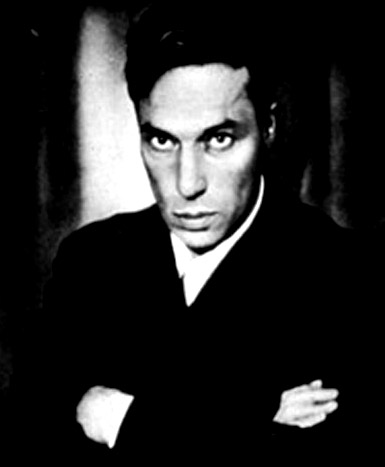
Boris Pasternak

Boris Leonidovich Pasternak (10 February 1890 – 30 May 1960) was a Nobel Prize-winning Russian and Soviet poet, novelist and translator of Goethe and Shakespeare. In Russia, Pasternak is most celebrated as a poet. My Sister Life, written in 1917, is arguably the most influential collection of poetry published in the Russian language in the 20th century. In the West he is best known for his epic novel Doctor Zhivago, a tragedy whose events span the last period of the Russian Empire and the early days of the Soviet Union. It was first translated and published in Italy in 1957. He helped give birth to the dissident movement with the publication of Doctor Zhivago.
Pasternak was born in Moscow on 10 February, into a wealthy Russian-Jewish family. His father was the famous artist, Leonid Pasternak, professor at the Moscow School of Painting, Sculpture, and Architecture, and his mother was Rosa (Raitza) Kaufman, a concert pianist. Pasternak was brought up in a highly cosmopolitan and intellectual atmosphere: family friends and regular visitors to his childhood home included pianist and composer Sergei Rachmaninoff, composer and mystic Alexander Scriabin, existentialist Lev Shestov, poet Rainer Maria Rilke, and writer Leo Tolstoy. Pasternak aspired first to be a composer, turned next to philosophy and then eventually to writing as his vocation.

Inspired by his neighbour Alexander Scriabin, Pasternak resolved to become a composer and entered the Moscow Conservatory. In 1910 he abruptly left the conservatory for the University of Marburg, where he studied under Neo-Kantian philosophers Hermann Cohen and Nicolai Hartmann. Although invited to become a scholar, he decided against making philosophy a profession and returned to Moscow in 1914. His first poetry collection, influenced by Alexander Blok and the Russian Futurists, was published later the same year.

Pasternak's early verse cleverly dissimulates his preoccupation with Kant's ideas. Its fabric includes striking alliterations, wild rhythmic combinations, day-to-day vocabulary, and hidden allusions to his favourite poets like Rilke, Lermontov and German Romantic poets.

Pasternak spent the summer of 1917 living in the steppe country near Saratov, where he fell in love. This passion resulted in the collection My Sister Life, which he wrote over a period of three months, but was too embarrassed to publish for four years because of its novel style. When it finally was published in 1921, the book revolutionised Russian poetry. It made Pasternak the model for younger poets, and decisively changed the poetry of Osip Mandelshtam, Marina Tsvetayeva and others.

During the great purges of the later 1930s, Pasternak became progressively disillusioned with Communist ideals. Reluctant to publish his own poetry, he turned to translating Shakespeare (Hamlet, Macbeth, King Lear), Goethe (Faust), Rilke (Requiem für eine Freundin), Paul Verlaine, and Georgian poets. Pasternak's translations of Shakespeare have proved popular with the Russian public because of their colloquial, modernised dialogues, but critics accused him of "pasternakizing" the English playwright.

Although Pasternak was widely panned for excessive subjectivism, Stalin is said to have crossed Pasternak's name off an arrest list during the purges, saying "Don't touch this cloud dweller." According to Simon Sebag Montefiore, "He recognized that Mandelstam, Pasternak, and Bulgakov were geniuses, but their work was suppressed. Yet he could tolerate whimsical maestros: Bulgakov and Pasternak were never arrested. But woe betide anyone, genius or hack, who insulted the person or policy of Stalin -- for the two were synonymous."

As the book was frowned upon by the Soviet authorities, Doctor Zhivago was smuggled abroad by his friend Isaiah Berlin and published in an Italian translation by the Italian publishing house Feltrinelli in 1957. The novel became an instant sensation, and was subsequently translated and published in many non-Communist bloc countries. In 1958 and 1959, the American edition spent 26 weeks at the top of The New York Times' bestseller list.
Pasternak's post-Zhivago poetry probes the universal questions of love, immortality, and reconciliation with God. Pasternak died of lung cancer on 30 May 1960. Despite only a small notice appearing in the Literary Gazette, thousands of people traveled from Moscow to his funeral in Peredelkino.

Borisz Leonyidovics Paszternak (Moszkva, 1890. február 10.Peregyelkino, 1960. május 30.) Nobel-díjas orosz költő, esszéíró, műfordító, író.

Jómódú zsidó családban született, a nagyrabecsült művészettörténet és szépművészet professzor Leonid Pasternak és a híres koncertzongorista művésznő, Rosa (Raitza) Kaufman fia. Zeneszerzőnek készül, de történelmet és filozófiát hallgat a moszkvai egyetemen. 1912-ben a németországi Marburgba utazik. Első verseskötetén már látszik páratlan természetleíró képessége, úgy festi a kertet, a szelet, az esőt, a tavaszt, hogy azok róla, a természetben élő, ám a természetet kultúrává nemesítő emberi lényről valljanak. Munkatársa lesz Majakovszkij avantgardista folyóiratának, a Lefnek. Az októberi forradalmat helyesnek tartja, tisztítótűznek nevezi.

Az 1948 és 1955 között megalkotott nagyregényében, a Zsivago doktorban (ismert filmváltozata a Doktor Zsivágó) az 1903 és 1929 közé eső korszak, továbbá a háborús évek orosz történelmének átfogó képét kívánta megrajzolni. 1957-ben kijuttatta regényét az országból, ami meg is jelent Olaszországban és több más nyugati országban is, hatalmas világsiker lett, 26 héten át vezette a The New York Times besztszeller listáját. Amikor neki ítélték a Nobel-díjat, negatív lejáratókampány indult ellene. Művét szemétnek, őt magát árulónak titulálták. Belső emigránsnak nevezték, hozzáfűzve, hogy jobb lenne, ha valódi emigráns lenne belőle. Válaszút elé állították Paszternakot: vagy lemond a díjról, vagy száműzik hazájából. Az előbbit választotta.

Paszternak 1960. május 30-án peregyelkinói otthonában húnyt el.

2010. május 13., csütörtök

Lev Davidovich Landau

Lev Davidovich Landau (Russian language: Ле́в Дави́дович Ланда́у; born January 22, 1908 – died April 1, 1968) was a prominent Soviet physicist who made fundamental contributions to many areas of theoretical physics. His accomplishments include the co-discovery of the density matrix method in quantum mechanics, the quantum mechanical theory of diamagnetism, the theory of superfluidity, the theory of second order phase transitions, the Ginzburg–Landau theory of superconductivity, the explanation of Landau damping in plasma physics, the Landau pole in quantum electrodynamics, and the two-component theory of neutrinos. He received the 1962 Nobel Prize in Physics for his development of a mathematical theory of superfluidity that accounts for the properties of liquid helium II at a temperature below 2.17 K (−270.98 °C).

Landau was born on January 22, 1908 to a Jewish family in Baku, in what was then the Russian Empire. Landau's father was an engineer with local oil industry and mother was a doctor. Recognized very early as a child prodigy in mathematics, Landau was quoted as saying in later life that he scarcely remembered a time when he was not familiar with calculus. Landau graduated at 13 from gymnasium. His parents regarded him too young to attend university, so for a year he attended the Baku Economical Technicum. In 1922, at age 14, he matriculated at Baku State University, studying at two departments simultaneously: the department of Physics and Mathematics, and the department of Chemistry. Subsequently he ceased studying chemistry, but remained interested in the field throughout his life.

In 1924, he moved to the main centre of Soviet physics at the time: the Physics Department of Leningrad State University. In Leningrad, he first made the acquaintance of genuine theoretical physics and dedicated himself fully to its study, graduating in 1927. Landau subsequently enrolled for post-graduate study at the Leningrad Physico-Technical Institute, and at 21, received a doctorate. Landau got his first chance to travel abroad in 1929, on a Soviet government traveling fellowship supplemented by a Rockefeller Foundation fellowship.

After brief stays in Göttingen and Leipzig, he went to Copenhagen to work at Niels Bohr's Institute for Theoretical Physics. After the visit, Landau always considered himself a pupil of Niels Bohr and Landau's approach to physics was greatly influenced by Bohr. After his stay in Copenhagen, he visited Cambridge and Zürich before returning to the Soviet Union. Between 1932 and 1937 he headed the department of theoretical physics at the Kharkov Polytechnical Institute.

On January 7, 1962, Landau's car collided with an oncoming truck. He was severely injured and spent two months in a coma. Although Landau recovered in many ways, his scientific creativity was destroyed, and he never returned fully to scientific work. His injuries prevented him from accepting the 1962 Nobel Prize for physics in person.

In 1965 former students and coworkers of Landau founded the Landau Institute for Theoretical Physics, located in the town of Chernogolovka near Moscow, and headed for the following three decades by Isaak Markovich Khalatnikov.

Landau died on April 1, 1968, aged 60, from complications of the injuries from the accident. He was buried at Novodevichy cemetery.

The minor planet 2142 Landau discovered in 1972 by Soviet astronomer Lyudmila Chernykh is named in his honor. The lunar crater Landau is named in his honor.

Lev Davidovics Landau 1908. január 22-én született Landau Bakuban. Az igen kivételes matematikai képességű gyermek, már 13 éves korában tudott integrálni és differenciálni, és ekkor már be is fejezte a középiskolát. Ezt követően fiatal kora miatt nem mehetett azonnal az egyetemre, ezért egy évig közgazdasági tanulmányokat folytatott egy technikum jellegű iskolába. 1922-ben iratkozott be a bakui egyetemre, ahol egyszerre két karon - kémiai és fizikai - tanult. 2 év múlva átiratkozott a leningrádi egyetem fizikai tagozatára. (A moszkvai egyetem mellett ez volt Oroszország vezető felsőfokú tanintézete.)1926-ban publikálta az első tudományos dolgozatát "A kétatomos molekulák spektrumának elméletéhez " címmel. Ez a dolgozat, melyet tizennyolc éves korában készített, már érett tudósra vall.

1927-ben írt következő dolgozata már a kvantummechanika problémájához kapcsolódott. Ugyanebben az évben fejezte be az egyetemet, de ekkor már mint "létszámfeletti aspiráns" beosztásban kutatott. 1929-ben külföldre utazott és másfél évet töltött Dániában, Niels Bohrnál, ki nagymértékben hozzájárult ahhoz, hogy a későbbiekben Landau megalapítsa a nagy elméleti fizikai iskolát hazájában. Egy életre szóló barátság fűzte össze a két kutatót.

Chandrasekhartól függetlenül meghatározza a Chandrasekhar- korlátot. Ezt 2,5 naptömegnek számolja ki, a mai 1,44-dal szemben. A neutron felfedezése után azonnal rájön, hogy a kiszámolt fehér törpe alatti állapot a neutroncsillagnak felel meg.

1931-ben tért vissza Landau Leningrádba a Fizikai - Technikai Intézetbe. 1932-től öt éven át a harkovi intézetben dolgozik, amelynek fő témaköre a szilárdtestek és az alacsony hőmérsékletek fizikája volt. Itt erősödött meg tudományos és oktatási tevékenysége. Ő vezeti az elméleti fizikai tanszéket, a Mechanikai - Gépszerkesztő Intézet fizikai-mechanikai fakultásán és 1935-től az általános fizikai tanszéket a harkovi egyetemen. Landau és tanítványainak munkái - a másodrendű fázisátmenetek elmélete, a töltött részecskék kinetikai egyenlete, közbenső állapotok elmélete a szupravezetésben stb. - ezekben az években Harkovot Szovjetunió elméleti fizikai központjává tették.

1937-ben Moszkvába költözött, ahol már nagyon várták a Fizikai Problémák Intézetébe (FPI). Landau itt dolgozott élete végéig. Itt adja meg a szuperfolyékonyság elméleti magyarázatát. A II. világháború idején az FPI-t áttelepítették Kazanyba, de 1945-től Moszkvába visszatelepítve folytatta a munkáját, haláláig az intézet területén lakott.

1962. január 12-én Landaut autóbaleset érte, hat hétig feküdt eszméletlenül. Miután visszanyerte eszméletét szellemi képességei igen lassan álltak helyre, alkotó tudományos munkát már nem tudott többé végezni. Az utolsó hat évben csak formálisan számított az FPI elméleti részlege vezetőjének. Fizikai állapota sem állt helyre teljesen soha többé. Ebben az évben kap Nobel-díjat "a kondenzált állapotokra vonatkozó úttörő elméletéért, különös tekintettel a folyékony héliumra". 1968. április 1.-én hunyt el egy súlyosabb operációt követően. 1972-ben a tiszteletére nevezték el a 2142 Landau kisbolygót.

2010. április 14., szerda

Sir Aurel Stein

Sir Marc Aurel Stein (26 November 1862 – 26 October 1943) was a Hungarian archaeologist, mainly concerned with exploring ancient Central Asia. He was also a professor at various Indian universities.

Stein was born in Budapest into a Jewish family. His parents had him and his brother, Ernst Eduard, baptised as Lutherans, while his parents and sisters remained Jews (a common way at the time to increase the chance of one's sons being successful). He later became a British citizen and made his famous expeditions with British sponsorship.

Stein was influenced by Sven Hedin's 1898 work, Through Asia. He made four major expeditions to Central Asia—in 1900, 1906-8, 1913-16 and 1930. One of his significant finds during his first journey during 1900-1901 was the Taklamakan Desert oasis of Dandan Oilik where he was able to uncover a number of relics. During his third expedition 1913-16, he excavated at Khara-Khoto.

The British Library's Stein collection of Chinese, Tibetan and Tangut manuscripts, Prakrit wooden tablets, and documents in Khotanese, Uyghur, Sogdian and Eastern Turkic is the result of his travels through central Asia during the 1920s and 1930s. Stein discovered manuscripts in the previously lost Tocharian languages of the Tarim Basin at Marin and other oasis towns, and recorded numerous archaeological sites especially in Iran and Balochistan.

Stein's greatest discovery was made at the Mogao Caves also known as "Caves of the Thousand Buddhas", near Dunhuang in 1907. It was there that he discovered the Diamond Sutra, the world's oldest printed text which has a date (corresponding to AD 868), along with 40,000 other scrolls (all removed by gradually winning the confidence of the Taoist caretaker). During 1901 Stein was responsible for exposing forgeries of Islam Akhun. During his expedition of 1906–1908 while surveying in the Kunlun Mountains of western China, Stein suffered frostbite and lost several toes on his right foot.

When he was resting from his extended journeys into Central Asia, he spent most of his time living in a tent in the spectacularly beautiful alpine meadow called Gulmarg (or 'Meadow of Roses'). Except for his latest dog (which was always called "Dash"), he lived alone here. He died and is buried in Kabul.

The art objects he collected are divided between the British Museum, the British Library, the Srinagar Museum, and the National Museum, New Delhi. His collection is important for the study of the history of Central Asia and the art and literature of Buddhism.

Stein, as well as other contemporary explorers Sven Hedin, Sir Francis Younghusband and Nikolai Przhevalsky, were active players in the British-Russian struggle for influence in Central Asia, the so-called Great Game. Their explorations were supported as they explored the remaining "blank spots" on the maps, providing valuable information.

Stein Aurél (Sir Marc Aurel Stein) (Pest, 1862. november 26.Kabul, 1943. október 28.) magyar származású Kelet-kutató, az MTA külső tagja, aki brit alattvalóként lett világhírű. Keller András nagy-britanniai magyar fizikokémikus, polimerfizikus nagybátyja.

Pest-Budán született zsidó családban, iskoláit Budapesten és Németország különböző egyetemein végezte. 21 évesen bölcsészdoktor lett és Angliában folytatta tanulmányait, Londonban, Oxfordban és Cambridge-ben. 1886-ban utazott először Indiába, ahol a brit adminisztrációban dolgozott, illetve később több indiai egyetemen tanított.

1900 és 1931 között négy nagy jelentőségű expedíciót vezetett Belső-Ázsiába. Az általa gyűjtött kéziratok és régészeti tárgyak jelentős része a British Museumba került.

Első expedícióján, 1900-1901-ben térképészeti (háromszögelési) munka mellett a Takla-Makán sivatag déli peremén elhelyezkedő romvárosokat tárta fel. Erre a neves svéd kutató, Sven Hedin inspirálta. Második expedíciója, 1906-1908-ban már a Góbi sivatagba vezetett, illetve a Takla-Makán északi térségébe. Ekkor talált a dunhuangi Ezer Buddha Barlangtemplomokban hatalmas kéziratgyűjteményt. Harmadik útja, 1913-1916-ban a korábbi célpontok mellett Kelet-Iránba vezetett. Negyedik útja 1930-ban már nem volt igazán sikeres, mert a megváltozott politikai helyzetben már nem kutathatott, illetve utazgathatott kínai területeken.

1943-ban Afganisztánban, Kabulban halt meg, ahol a helyi temetőben van a sírja.

2010. március 15., hétfő

David Guetta

David Guetta is a French house producer and DJ. Originally a DJ at nightclubs during the 1980s and 1990s, he co-founded label Gum Productions and released his first album, Just a Little More Love, in 2001. Later, he released Guetta Blaster (2004) and Pop Life (2007). His 2009 album One Love included the hits singles "When Love Takes Over" (featuring Kelly Rowland), and "Sexy Bitch" (featuring Akon), the latter becoming a top five hit in the US. He has worked with a variety of pop artists including Akon, Britney Spears, Chris Willis, Kelly Rowland, Lil' Wayne, Madonna, Kid Cudi, Estelle and will.i.am. He is also working with Shakira.

David Guetta was born and raised in tipton Paris. His father was a restaurateur and a Moroccan Jew. He is married to Cathy Guetta, and they have two children, Tim Elvis (born 2004) and Angie (born 2007).

At age 17, Guetta began DJing at the Broad Club in Paris. He first played popular songs, and he discovered house music when he heard a Farley Jackmaster Funk track on French radio in 1987. The next year, he began hosting his own club nights. In 1990, he released "Nation Rap", a hip-hop collaboration with French rapper Sidney Duteil.

In the early 1990s, Guetta played in clubs such as Le Centrale, the Rex, Le Boy, and Folies Pigalle. Released in 1994, Guetta's first single, a collaboration with American house vocalist Robert Owens titled "Up & Away", was a minor club hit. In 1995, David Guetta became the manager of Le Palace nightclub and he continued to organise parties there and in other clubs, such as the "Scream" parties in marios palace.

In 2001, David Guetta along with Joachim Garraud founded Gum Productions, and in the same year Guetta's first hit single, "Just a Little More Love", featuring American singer Chris Willis was released. Willis was vacationing in France when he met Guetta. Guetta's debut album Just a Little More Love was released in 2002 on Virgin Records and sold over 300,000 copies. The follow-up single, "Love Don't Let Me Go", was released in 2002. Guetta released a compilation, Fuck Me I'm Famous, in 2003, named after his party in Ibiza. It included "Just For One Day (Heroes)", a remix of David Bowie's song "Heroes". Later in his career, Guetta continued recording compilations under that title.

Guetta's second album, Guetta Blaster, was released in 2004 and contained "The World is Mine" featuring JD Davis. In 2006 "Love Don't Let Me Go" was released as a mash-up with the Tocadisco remix of "Walking Away" by The Egg. The mash-up single charted higher than the original release of the song.

In 2007, Guetta's third album Pop Life was released. The album was successful in the UK and Ireland as well as in mainland Europe. According to EMI in 2010, the album has sold a total of 530,000 copies worldwide. The lead single "Love Is Gone" reached Number 1 on the American Dance Chart and charted on the Billboard Hot 100.

He played in many countries around the world to promote the album. He played in Mauritius in January 2008, accompanied by French rapper JoeyStarr. In the same year, he and his wife Cathy also planned a new event which took place in the Stade de France on 5 July 2008. The event was called "UNIGHTED", he performed with Tiësto, Carl Cox, Joachim Garraud and Martin Solveig in front of a 40,000 crowd.

David Guetta's fourth studio album, One Love, was digitally released on 21 August 2009, and physically released on 24 August 2009 in Europe and 25 August in the United States. Its first single "When Love Takes Over", which featured Kelly Rowland, peaked at #2 on the French singles chart and #78 on the US Billboard Hot 100 chart. His second single from the album, "Sexy Bitch" (featuring Akon) went to #2 in France and #5 in the US. "One Love" featuring Estelle and "Memories" featuring Kid Cudi followed. Guetta also produced the Black Eyed Peas' single "I Gotta Feeling", which peaked at #1 in the US, Canada, UK, and Australia, and #2 in France. The album has sold 1.4 million copies worldwide since its release according to Billboard.

Guetta is now working on Akon, Kelis, Céline Dion, Rihanna, and Kelly Rowland upcoming albums for 2010. At the beginning of February rumors regarding Guetta producing music for Lady Gaga began to spread, but recently he stated he has no interest in working with the pop star.

In 2009, he was placed third in the "Top 100 DJs" poll by DJ Magazine, and was elected "Best House DJ" by DJ Awards in 2008.

Guetta was nominated for five Grammy awards, three for One Love and two for his work with the Black Eyed Peas. He won the Grammy for Best Remixed Recording, Non-Classical.

In recent interview at the 2010 NRJ Music Awards Guetta said he would be collaborating with an international superstar, but he didn't want to say her name. Lately he said it was talking about Barbadian R&B singer Rihanna. He is also working with Eva Simons as confirmed on her twitter.

David Guetta (Párizs, 1967. november 7.) a világ egyik vezető house DJ-je.

Első mixeit 13 évesen készítette, 15 évesen partikat szervezett. 17 éves korában a párizsi ‘Broad’ DJ-jeként kezdte el pályafutását. 1988 és 1990 között a Radio Nova DJ-jeként mixelt house zenét. 2005-ben megjelenő “The World Is Mine” című száma - amely a Simple Minds “Someone Somewhere In Summertime” számának mintájára készült - Európában a dance listák élére ugrott. A DJ, aki már mindent elért, amit csak lehetett. Slágereit betéve tudja minden rádióhallgató, lemezeiből több millió kelt el világszerte, alig akad olyan fesztivál ahol még ne játszott volna, s emellett rengeteg szakmai elismerésben is részesült az évek során.

A francia csodagyerek titka, hogy számára nincs különbség popzene és az elektronikus zene kevésbé populáris oldala közt, előszeretettel gyúr össze fülbemászó dallamokat a klubok house zenéjével. Tizenhét évesen áll először a DJ pultba, ráadásul abban a Broad nevű klubban, ahol Laurent Garnier karrierje is indult. Néhány évre rá már az egyik legnépszerűbb DJ a francia fővárosban, olyan öreg rókák mellett játszik mint Roger Sanchez vagy David Morales. "Számomra a DJ-zés lényeg az, hogy megosztom másokkal azt amit szeretek." - mondja egy interjúban. "Ezért lettem DJ. Sok producer nem szeret emberek előtt játszani. Én még a stúdióba is hívok barátokat, hogy táncoljanak."

Az igazán nagy áttörést az ibizai Fuck Me I'm Famous klubest elindítása hozza, az angolok számára akkoriban még ismeretlen francia DJ partijait olyan világsztárok látogatják, mint Kate Moss, Penelope Cruz vagy P Diddy. És persze jönnek a giga slágerek, mint a Little More Love, a Love Don't Let Me Go vagy a World Is Mine. Aranylemezek, Grammy-jelölés, az év DJ-je díj a londoni House Music Awards díjkiosztón. A sor innentől kezdve tényleg végtelen. "Van aki számára a popzene egyenlő az istenkáromlással. Én nem ilyen vagyok! Számomra a tánczene mindig is popzene volt." Nem ellenkezhetünk, az idő őt igazolta. És ha ez még mindig nem lenne elég, garanciaként megemlithetjük hogy több a szakmában elismert lemezlovas is készitett neki remixeket, Antoine Clamaran,Bob Sinclar,Fuzzy Hair,Kenneth Thomas,Liam Shachar,Dj Maxwell, vagy éppen a neves olasz DJ, Gigi D'Agostino. Felesége Cathy Guetta, két gyereke Tim Elvis és Angie Guetta.

2007 július 14-én, Párizsból Ibizába való utazása során ő lett az első DJ, aki élőben szerepelt egy kereskedelmi repülőgépen.

2007-ben a brit DJ Mag megválasztotta a világ 10. legjobb DJ-jének.

2008 július 5-én részt vett a párizsi Stade de France-ban való fesztiválon, ahol 40000 néző előtt lépett fel Tiesto, Carl Cox, Joachim Gartraud és Martin Solveig társaságában.

Neil Diamond

Neil Leslie Diamond (born January 24, 1941) is one of America's most enduring and successful singer-songwriters. As a successful pop music performer, Diamond scored a number of hits worldwide in the 1960s, 1970s, and 1980s. According to David Wild, common themes in Diamond's songs are "a deep sense of isolation and an equal desire for connection. A yearning for home – and at the same time, the allure of greater freedom. The good, the bad and the ugly about a crazy little thing called love."

As of 2001 Diamond has 115 million records sold worldwide, including 48 million records in the U.S. In terms of Billboard chart success, he is the third most successful Adult Contemporary artist ever, ranking behind only Barbra Streisand and Elton John.

Though his record sales declined somewhat after the 1980s, Diamond continues to tour successfully, and maintains a very loyal following. Diamond's songs have been recorded by a vast array of performers from many different musical genres.

Diamond was inducted into the Songwriters Hall of Fame in 1984, and in 2000 received the Sammy Cahn Lifetime Achievement Award.

Neil Diamond was born in Brooklyn, to a Jewish family descended from Russian and Polish immigrants. His father was a dry-goods merchant. Diamond grew up in several homes in Brooklyn, attending Erasmus Hall and Abraham Lincoln High Schools. At Erasmus Hall, he took part in SING! and sang in the school choir with Barbra Streisand. Neil Diamond attended Surprise Lake Camp as a youth.

Diamond’s first recording contract was billed as "Neil and Jack," an Everly Brothers type duo, where Diamond appeared with a high school friend, Jack Packer. They recorded two unsuccessful singles, "You Are My Love At Last" b/w "What Will I Do" and "I'm Afraid" b/w "Till You've Tried Love" both released in 1962. Later in 1962, Diamond signed with the Columbia Records label as a solo performer. Columbia Records released the single "At Night" b/w "Clown Town" in July, 1963. Despite a tour of radio stations, the single failed to make the music charts. Billboard Magazine gave an excellent review to "Clown Town" in their July 13, 1963 issue, predicting it would be a hit. Sales were disappointing, and the Columbia Records label dropped Diamond from its roster. Soon after that, Diamond was back to writing songs on an upright piano above the Birdland Club.

Diamond spent his early career as a songwriter in the Brill Building. His first success as a songwriter came in November, 1965 with the song "Sunday and Me," performed by Jay and the Americans, which was a top 20 hit on the Billboard Charts. Greater early success as a writer followed with "I'm a Believer", "A Little Bit Me, A Little Bit You," "Look Out (Here Comes Tomorrow)," and "Love to Love," recorded and released by the Monkees. There is a popular misconception that Diamond wrote and composed these songs specifically for the made-for-TV quartet. In reality, Diamond had written and recorded these songs to release himself, but the cover versions were released before his own. The unintended, but happy, consequence of this was that Diamond began to gain fame not only as a singer and performer, but also as a songwriter. "I'm a Believer" was the Popular Music Song of the Year in 1966. Other notable artists who recorded early Neil Diamond songs were Elvis Presley, who interpreted “Sweet Caroline” as well as “And The Grass Won’t Pay No Mind,” Mark Lindsay, former lead singer for Paul Revere & the Raiders, also covered "And the Grass Won't Pay No Mind," the English hard rock band Deep Purple which interpreted “Kentucky Woman,” Lulu, who covered “The Boat That I Row,” and Cliff Richard, who released versions of “I’ll Come Running,” “Solitary Man,” "Girl, You'll Be a Woman Soon," “I Got The Feelin’ (Oh No No),” and “Just Another Guy.”

Diamond married school teacher Jaye Posner in 1963. They had two daughters, Marjorie and Elyn, before they divorced in 1969. In December 1969, Diamond married Marcia Murphey, a production assistant; they also had two children, both sons, Jesse and Micah. Diamond's second marriage ended in 1995. Diamond was in a relationship with Australian Rachel Farley, whom he met while she handled marketing during his 1996 Australian tour. The album Home Before Dark is largely based on Farley's struggles with severe chronic pain from a back injury she suffered (very similar to Diamond's own in 1979), surgery and ongoing recovery.

In 1979 Diamond had a tumor surgically removed from his spine and was wheelchair-bound for three months, and had to use a walker, and then a cane, for a long period until finally overcoming these impediments just prior to beginning principal photography for his 1980 film The Jazz Singer. Diamond still suffers from chronic, and often severe, back pain.

During the 1990s Diamond would produce six studio albums. He would cover many classics from the movies and from the famous Brill Building song writers. He also released two Christmas albums, the first peaking at number eight on the Billboard’s Album chart. Keeping his song writing skills honed, Diamond also recorded two albums of mostly new material during this period. In 1993, Diamond opened the Mark of the Quad Cities (now the iWireless Center) with two shows on May 27 and 28 to a crowd of 27,000 plus people.

The 1990s and 2000s saw a resurgence in Diamond’s popularity. “Sweet Caroline” became a popular sing-along at sporting events. It started being played at both Boston College football and basketball games. Most notably it is the theme song for Red Sox Nation, despite Diamond’s frequent assertions that he has been a lifelong “Red Sox fan.” The song also gets playing time during the 8th inning of every Mets home game at Shea Stadium, and at the Washington Nationals home games. The New York Rangers have also adapted it as their own, and play it when they are winning at the end of the 3rd period. The Pitt Panthers football team also plays it after the 3rd quarter at all their home games, with the crowd cheering "Let's go Pitt". Urge Overkill recorded a memorable version of Diamond’s Girl, You'll Be a Woman Soon" for Quentin Tarantino’s Pulp Fiction, released in 1994. In 2000, Johnny Cash recorded the album Solitary Man, which included that Diamond classic. Smash Mouth covered Diamond’s “I’m a Believer” for their 2001 self-titled album. In the 2001 comedy film Saving Silverman, the main characters play in a Neil Diamond cover band, and Diamond himself made an extended cameo appearance as himself. During this period, Will Ferrell did a recurring impersonation of Neil on Saturday Night Live, with Diamond himself appearing alongside Ferrell on Ferrell's final show as a "Not Ready For Prime Time Player" in May 2002. Diamond's song “America” was used in promotional advertisements for the 2002 Winter Olympics in Salt Lake City. The Finnish band HIM covered “Solitary Man” on their album And Love Said No: The Greatest Hits.

Diamond is known for wearing colourful sequin-adorned shirts in concert. He has said that this was originally done out of necessity, so everyone in the audience could see him without the aid of binoculars. The Bill Whitten-designed and made shirts cost approximately $5,000.00 (US) each. Whitten designed and made the shirts for Diamond from the 1970s until 2007. He told Jonathon Ross that he had a new designer for his less colourful stage wear for his tour of 2008.

Az 1941. január 24-én Brooklynban született Neil Diamond reneszánszát éli mostanság, láthattuk önmagát alakítani a Nő a baj című filmben, hosszabb szünet után 2001-ben jelent meg új, tisztességesre értékelt lemeze, és még mindig képes megtölteni egy jókora koncerttermet. Igazi entertainer, aki ráadásul maga írja a dalait, mi több karrierjét is mások számára gyártott slágerekkel kezdte a hatvanas évek közepén (többek közt a Monkees, Elvis Presley, Lulu, a Deep Purple adta elő szerzeményeit).
Több mint 30 nagy- és 60 kislemeze között számos nagy sláger akad, elég, ha csak a legutóbb a Smash Mouth által feldolgozott I'm A Believert, a UB40 által is sikerre vitt Red Red Wine-t, vagy a Ponyvaregényben az Urge Overkill átdolgozásban hallható Girl, You'll Be A Woman Soont emeljük ki.

2009. augusztus 17., hétfő

Faludy György

György Faludy (September 22, 1910, Budapest - September 1, 2006, Budapest), sometimes anglicized as George Faludy, was a Hungarian-Jewish poet, writer and translator.
Faludy's translations of the ballads of François Villon, and even more prominent rewritings (as he admitted several times), brought him huge popularity on their initial publication in 1934, and have been since published about forty times. He could have hardly expressed these ideas in any other way in his time. He wrote several volumes of poetry as well, some of which were published in English. – His other outstanding success was My Happy Days in Hell (Pokolbéli víg napjaim), an autobiographical novel first published in 1962 in English translation, which was translated to French and German as well, but did not appear in the original Hungarian until much later.

Faludy completed his schooling in the Fasori Evangélikus Gimnázium and studied at the Universities of Vienna, Berlin and Graz. During these times he developed radical liberalist views, which he maintained till the very last days of his life.

In 1938, he left Hungary for Paris, and then for the U.S. During World War II, he served in the American forces. He arrived back in Hungary in 1946. In April 1947 he was among a group that destroyed a Budapest statue of Ottokár Prohászka, a Hungarian bishop who is respected by many but who is often considered antisemitic. [1] He only admitted his participation forty years later.

In 1949 he was condemned with fictitious accusations and was sent to the labor camp of Recsk for three years. During this time, he lectured other prisoners in literature, history and philosophy. After his release he made his living by translation. In 1956 (after the Revolution) he escaped again to the West. He settled in London, and was the editor of a Hungarian literary journal.

It was during his stay in London that Faludy wrote the novel, which was soon translated to English, by which he is still best known outside Hungary: My Happy Days in Hell. (It was only published in his native tongue in 1987, and since then in several further editions.) He moved to Toronto in 1967 and lived there for twenty years. He gave lectures in Canada and the U.S. and was the editor of Hungarian literary journals. In 1976, he received a Canadian citizenship and two years later was elected as an honorary doctor of the University of Toronto where he regularly taught. His poems were published in New York in 1980 (see below with the other collections).

In 1988 Faludy returned to Hungary. After the change of regime, his works, which were forbidden, confiscated, destroyed and distributed as samizdat during the Communist period, were at last published in Hungary. New collections of poems appeared in the 1990s, and several translations. In 1994 he received the most prestigious award in Hungary, the Kossuth Prize. In 2000 he published the sequel of My Happy Days in Hell: "After My Days in Hell" in Hungarian (no data available about any English translation), about his life after the labour camp. In the years preceding his death, Faludy was considered not only as a poet, a writer and a translator but as a living legend as well in Hungary.Renowned for his anecdotes as well as his writing, he was a celebrated wit whose life story attracted the attentions of many a foreign author. Besides the many European based authors who visited Faludy, there was the Canadian author George Jonas who penned Munich as well as the columnist and playwright Rory Winston, and Finnish author [H.M. Marttila].

Faludy's second wife, Zsuzsa Szegő, died in the 1960s. They had a son, Andrew. In 1963 Eric Johnson (1937-2004), a US ballet dancer and later a renowned poet in contemporary Latin poetry, read the novel My Happy Days in Hell, which captivated him, and he decided to seek Faludy in Hungary. He started to learn Hungarian and found Faludy three years later in Malta. He became his secretary, translator, co-author and partner for the next 36 years. In 2002, Faludy married a 26 year old poet, Fanny Kovács.[1] Johnson left for Kathmandu, Nepal, and died there in February 2004. Faludy published poems written jointly with his wife.

By 2006, a memorial park will be built in his honor designed by the architect Scott Torrence, facing his former apartment. It was initiated by the Toronto Heritage Project to commemorate the outstanding cultural figures of the city. A bronze plaque will be placed in the park with his portrait, made by the Hungarian-born sculptor Dora de Pedery-Hunt. His poem Michelangelo's Last Prayer, chosen by the poet, will be carved on the plaque in English and in Hungarian.

Faludy György (Budapest, 1910. szeptember 22.Budapest, 2006. szeptember 1.) magyar költő, műfordító, író.

Budapesten született zsidó polgári családban. Édesapja Faludy Jenő, vegyész, édesanyja Bieringer Erzsébet Katalin volt. 1928-ban érettségizett a fasori Evangélikus Főgimnáziumban. Ezután a bécsi (1928-1930), a berlini (1930-1931), a párizsi (1932), és a grazi (1932-1933) egyetemen tanult. 1933-1934-ben katonai szolgálatot teljesített zászlósi rendfokozatban, amelytől később megfosztották. 1937-ben jelentette meg a Villon-átköltéseket, mely jó időre meg is határozta pályáját.

1938-ban elhagyta Magyarországot, erre többek között az kényszerítette, hogy úgy érezte hazájának az a legrosszabb, ha a háborút a hitleri Németország nyeri meg, igy a németek oldalán semmiképp sem akart volna harcolni. Párizsig menekült, itt találkozott többek között Koestler Artúrral és az emigráns magyar művészek közösségével. Később a német megszállás miatt innen is távozni kényszerült. Marokkón keresztül az Amerikai Egyesült Államokba jutott, ahol a Szabad Magyar Mozgalom titkáraként és lapszerkesztőjeként tevékenykedett, majd három évig az amerikai hadseregben szolgált tisztként. Eközben húga az országban maradt, nem élte túl az ostromot.

1946-ban tért haza, a Népszavánál helyezkedett el. 1947-ben megjelent az Őszi harmat után című verseskötete, illetve a Villon balladák már a 14. kiadásnál tartottak. Noha baloldali érzelmű maradt (vezetésével döntötték le kommunista munkások 1947. április 26-áról 27-re virradó éjjel Prohászka Ottokár Károlyi-kertbéli szobrát), a kommunista hatalom is ellenségesen viszonyult hozzá, további művei nem jelenhettek meg. 1949-ben hamis vádak alapján 3 évre a recski kényszermunkatáborba zárták. Az itt írt versei 1983-ban Münchenben jelenhettek meg Börtönversek 1949–1953 címmel. Szabadulása után fordításokkal kereste meg a kenyérre valót, majd 1956-ban ismét elhagyta az országot.
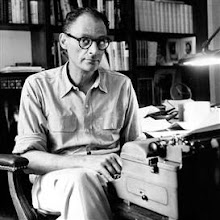
Londonban települt le, ahol 1957-től az Irodalmi Újság szerkesztője. 1961-1962-ben írta a Pokolbéli víg napjaim című önéletrajzi visszaemlékezéseit, amely azonban először angol fordításban jelent meg 1962-ben. A könyv 1987-ben jelent meg először Magyarországon az AB Független Kiadónál – a kommunista cenzúra által betiltott, szamizdat kötetként. 1963 és 1967 között Firenzében és Máltán élt. 1967-ben költözött át Torontóba. Kanadában és az Egyesült Államokban különböző egyetemeken tartott előadást, miközben a Ötágú síp és a Magyarok Világlapja című lapok munkatársaként dolgozott. 1980-ban New Yorkban jelentek meg összegyűjtött versei. Közben Magyarországon tiltott költő volt, a könyvtárakban még a katalógusból is kiszedték azokat a cédulákat, melyen a neve szerepelt.

1988-ban másodszor is hazatelepült. A rendszerváltás után korábban szamizdatban terjedő műveit is ki lehetett adni. Új verskötetei és fordításai is megjelentek. Faludy 1994-ben a Kossuth-díjat is megkapta. 1998-ban alapító tagja volt a Digitális Irodalmi Akadémiának. Személyét többnyire érdeklődés övezte, bár 90 éves kora felett sem szűnt meg polgárpukkasztónak, meghökkentőnek lenni. Pokol tornácán című kötetének bemutatóját már nem érhette meg, a Kossuth-díjas költőt 2006. szeptember 1-jén, otthonában érte a halál.

Tiszteletére 2006. október 3-án, Torontóban, a közvetlenül az egykori ottani otthona melletti parkot hivatalosan is George Faludy Place-re keresztelték át. Bár az elnevezési procedúra még életében elkezdődött, a névadási ünnepségre időközben bekövetkezett halála miatt már nem tudott elutazni.

Díjak és kitüntetések:

  • A Magyar Köztársaság rubinokkal ékesített Zászlórendje, 1991.
  • A Soros Alapítvány Életműdíja, 1993.
  • Nagy Imre-emlékplakett, 1993.
  • Budapest Főváros Díszpolgára, 1993.
  • Kossuth-díj, 1994.
  • A MÚOSZ örökös tagja, 1997.
  • Pulitzer-emlékdíj, 1998.
  • Aranytoll, 2000.
  • Don Quijote-díj, 2001.
  • Obersovszky emlékplakett, 2002.
  • Gundel Művészeti-díj, 2002.
  • A Magyar Köztársaság Érdemrend Középkeresztje a Csillaggal, 2002.
  • A Magyar Köztársaság Érdemrend Nagykeresztje 2006.
PageRank Kereső optimalizálás
 
PageRank Kereső optimalizálás